



EMEA Markets - Latest Developments
Telesat reported consolidated revenues of US$164.85 million (Ca$222 million) during the first quarter of 2019, a decrease of 4% or US$7.43 million (Ca$10 million) compared to the same period in 2018. But despite the drop, Telesat netted US$127.72 million (Ca$172 million) compared to a loss of US$11.14 million (Ca$15 million) in first quarter 2018.
The world is full of sharp disparities between the privileged and those struggling for access: access to good work, to knowledge, to the means to pursue their calling and preserve their communities. Around the world, dedicated people are using technology to close that gap. Technology that is literally out of this world.
Building a Better Future in Africa
The teleport industry got its start in the days when monopoly telephone companies ruled and, in the US, COMSAT was the sole gatekeeper for access to domestic and international satellites. Then the Reagan Administration’s Open Skies policy ended COMSAT’s lock on satellite access, and entrepreneurs jumped on the new opportunity.
 Having worked at a teleport at the beginning of my career, I never miss an opportunity to visit one. Teleports remind me of the very exciting times I spent working in one. There is something about the mix of high technology and innovative, geeky engineers that never cease to amaze me, so when I was invited to visit a teleport in England I didn’t hesitate to accept. But nothing prepared me for what I was about to see…
Intelsat S.A. (NYSE: I) reported today total revenues of US$ 528.4 million and net loss of US$ 120.6 million for the three months ended March 31, 2019.
Intelsat said EBITDA, or earnings before net interest, gain on early extinguishment of debt, taxes and depreciation and amortization, ofUS $ 372.8 million and Adjusted EBITDA of US$ 380.3 million, or 72 percent of revenue, for the quarter. Free cash flow from operations was US$ 24 million.
Iridium Communications Inc. (Nasdaq: IRDM) has reported a net loss of US$ 18.0 million, or $0.18 per diluted share, for the first quarter of 2019, as compared to net income of US$ 11.5 million, or $0.07 per diluted share, for the first quarter of 2018.
C-COM Satellite Systems Inc. (TSXV: CMI), a global provider of mobile auto-deploying satellite antenna systems, said today the company generated revenues of US$2.192 million (Ca$2,948,252) and a net after tax profit of US$315,589.36 (Ca$424,404) or US$0.0074 (1 Canadian cent) per share during the first quarter ended February 28, 2019.
C-COM said this compared with revenues of US$1.35 million (Ca$1,816,142) and a net after tax profit of US$12,538.12 (Ca$16,862) or 0 cents per share as reported in 2018, representing an increase of 62% and 2,417% respectively.
Speedcast International (ASX:SDA) (FRA:7SC) (OTCMKTS:SPPDF) revenue grew 21% to US$623.1 million, including US$7.5 million contribution from two acquisitions completed in 2018 and the full year impact of acquisitions completed in 2017.
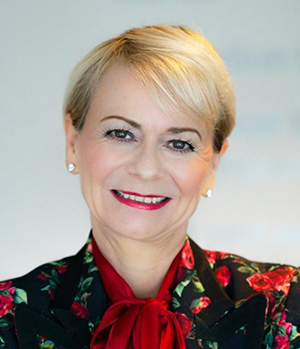 ConnecTechAsia2019, Asia’s Mega Infocomm Media and Technology Event, will be returning this year from 18 to 20 June in Singapore with a focus on emerging technologies enabling the rapid digital transformation of Asia’s businesses and cities. The ConnecTechAsia Summit will be headlined by prolific industry leader, Harriet Green, CEO and chairman, IBM Asia Pacific, where she will explore how the shift from digital experimentation to scale adoption of new technologies will fundamentally alter the value chains of entire industries and change the way we work and live.
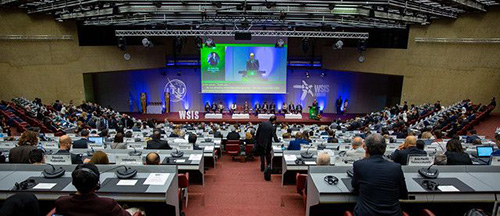 The Ministerial Round Table at 10th World Summit on the Information Society (WSIS) Forum, held from April 8-12, 2019, emphasized the importance of the WSIS Action Lines – on which many national digital agendas were built – as a key United Nations framework for progress on the United Nations Sustainable Development Goals (SDGs). Round Table participants also highlighted the need for sharing of scarce resources, as well as strengthening collaboration to build confidence and security in the use of technology for good and digital skills so more people can benefit.