

CABSAT 2024, the Middle East’s flagship event for content, broadcast, satellite, media, and entertainment sectors, returns for a second day to promote innovative solutions, technologies, and ideas that are fundamentally reshaping the media and entertainment industry. 

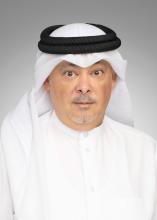
The show, which will run until May 23, 2024, organised by the Dubai World Trade Centre, enjoyed a special visit from ZHU Yonglei, Vice Minister of the National Radio and Television Administration of P.R.China(NRTA).

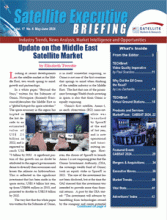
Looking at recent developments in the satellite market in the Middle East, two words spring to mind: growth and partnerships. In a white paper “Beyond the Stars,” written for the Sultanate of Oman, Novaspace (formerly Euroconsult)describes the Middle East as a “global hotspot for space activities.”  The space economy in the region has tripled in the last decade to an estimated value of US$ 25 billion in 2023, and is expected to reach US$ 75 billion by 2032.

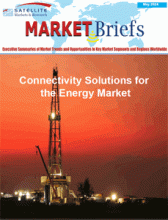
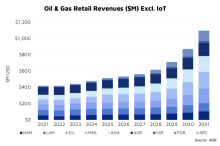
Providing connectivity to the oil and gas industry remains a significant market for satellite operators and service providers around the world, and nowhere more so than in the Middle East where a significant portion of the world’s oil and gas deposits are located.  However, satellite is not confined to providing service to offshore locations; terrestrial pipelines, refineries and storage facilities, particularly those in remote locations, may also be served by satellite.