



The 30th anniversary edition of the Satellite show held in Washington, D.C. from March 14-17 was like a big coming out party for the industry. Having just survived one of the worst global recessions relatively unscathed, the mood at the show was decidedly bullish. Senior industry executives speaking at the conference were almost unanimously positive on the industry’s position yet they also recognize that there are still many challenges ahead.
Europe, Middle East and Africa Markets
Driven by ever-increasing communications needs from cockpit and cabin applications, revenue in the global aeronautical satellite communications market grew by almost 25% in 2010 and will continue to grow at a steady though slower pace over the next decade, according to a new report from Euroconsult.
The demand for mobile backhaul is growing at an unprecedented rate. Smart phones on ave-rage consume five times as much bandwidth as a regular cell phone and the number of smart phones is projected to increase by 300% to two billion units in 2015. This has prompted the International Telecommunications Union (ITU) to call for an increase in both fiber and spectrum in order to avoid network bottlenecks. In July 2010 NSR projected that the satellite portion of this market should be worth just under US$ 600 million by 2015.
According to the most recent market data from ABI Research, there were more than 704 million pay-TV subscribers globally at the end of 2010, increased more than 56 million subscribers from 2009. The Asia-Pacific region, which owns 57% of global pay-TV subscriptions, remains the largest pay-TV market in the world.
The CABSAT & Satellite Middle East/North Africa (MENA) 2011 show held in Dubai, UAE, from February 8-10 bills itself as the third-largest satellite event of its kind in the world and it has grown by 15% compared to last year. More than 750 companies from 55 countries, including 11 national pavilions, exhibited at the Dubai World Trade Center showcasing the latest products and developments in the broadcast, digital media and satellite markets.
In its recently released report, Euroconsult forecasts that the market value for video transmission services over satellite including video distribution services for TV channels and contribution services for permanent and occasional use is expected to reach $27 billion in 2020, up from $15.8 billion in 2010.
Just 1.2 million pay-TV consumers canceled their subscriptions in favor of over-the-top video alternatives in 2010, according to a new report from Informa Telecoms Media, reflecting just 0.18 percent of the global pay-TV market.
The number of cord-cutters globally is forecast to rise from last year's 1.2 million to 16.1 million by 2015, the report says.
Television manufacturers are viewing 3D developments as the next big thing for the 3D TV industry, and expect it to boost sales and interest as much as color TVs did to black and white entertainment decades ago. They have already announced several 3D TV ready models, with many more to come in 2011. There is now talk of 3D broadcast channels in America, Europe and Asia for the coming years.
Cable will retain dominance in the global multi-channel TV market over the next five years but the threat from the new generation of digital and internet protocol (IP) services will take its toll, predicts Ovum.
Globally cable TV will reach 573 million households by 2015, but will grow by an average of only three per cent per year for that period. The strongest growth will come from internet protocol TV (IPTV) with a compound annual growth rate (CAGR) of 24 per cent over the next five years to reach 109 million households.
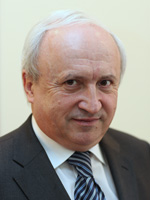 Intersputnik’s Deputy Director-General and Chairman of the Board of Directors of the subsidiary Intersputnik Holdings, Stefan Kollar spoke to Satellite Executive Briefing on Intersputnik’s plans and how it will be facing the challenges in the new global commercial environment.
